Daphne Caruana Galizia was killed by a car bomb on 16 October 2017. She is one of a string of journalists across the world who have faced threats, torture, imprisonment – and death – for investigating organised crime, corrupt politicians and shady institutions. Her family have fought for justice and her alleged killers go on trial in Malta next month.
The Daphne Festival, which took place at St John’s from 3-16 October, not only highlighted Caruana Galizia’s work and look at how her investigations have lived on and led to her alleged killers, but also focused on threats faced by journalists, particularly female journalists, across the globe. The Slovak investigative journalist Ján Kuciak was killed just a few months after Caruana Galizia’s murder, and since then, journalists have been killed in Greece and the Netherlands. In May, the Palestinian American Al Jazerra journalist Shireen Abu Aqleh was shot dead in Israel.
Partners in the festival included major press freedom organisations from around the world, such as Reporters without Borders (RSF), Index on Censorship, Women in Journalism (WiJ), PEN International and The Frontline Club, as well as democracy and human rights organisations such as Repubblika, Article 19 and The Foreign Policy Centre.
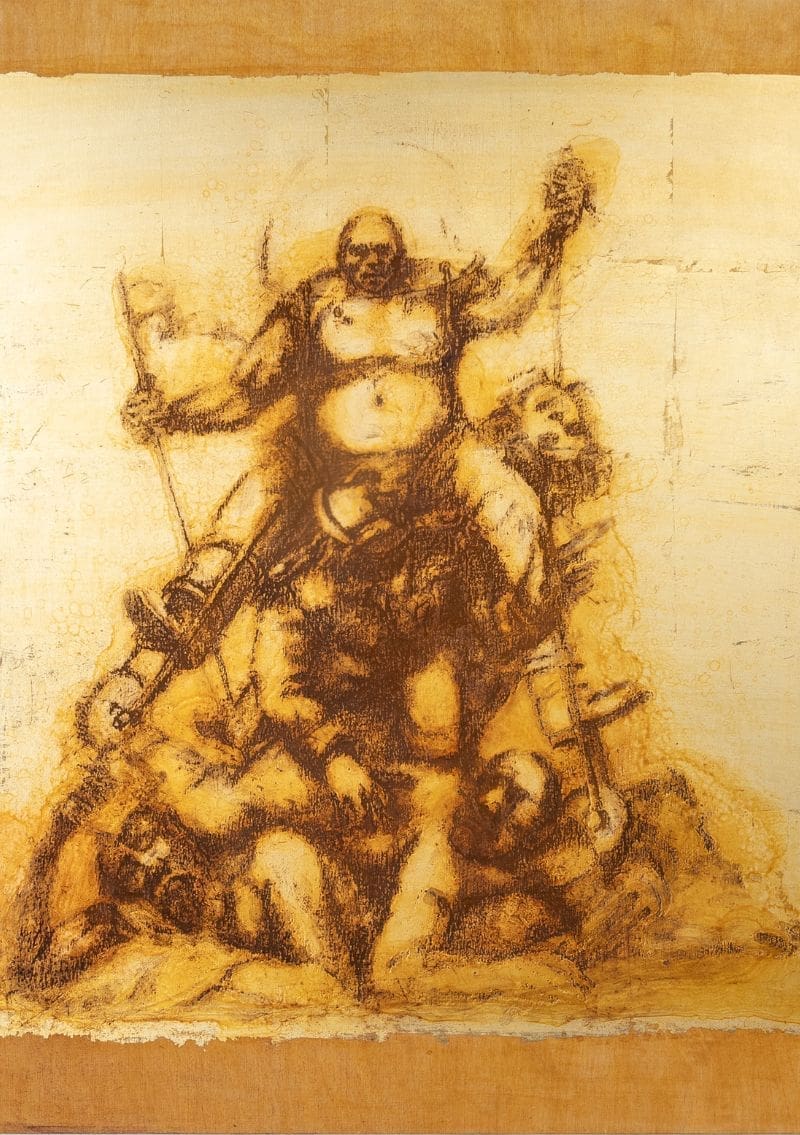
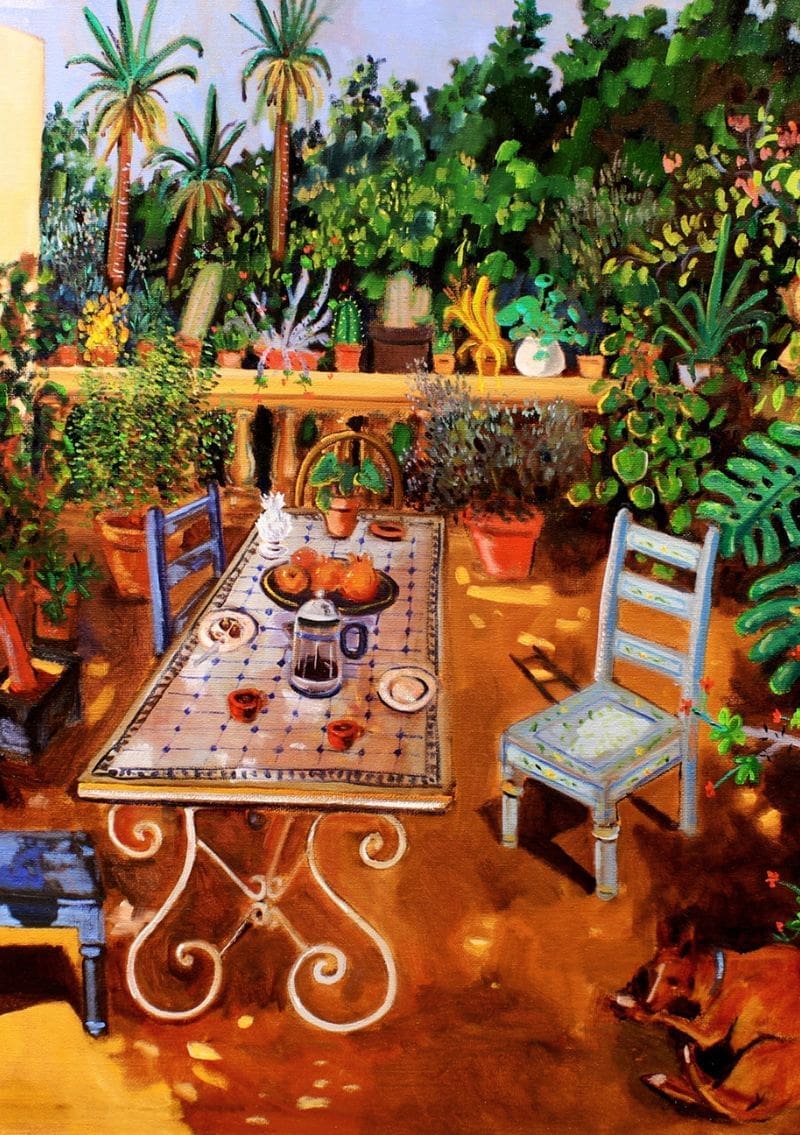
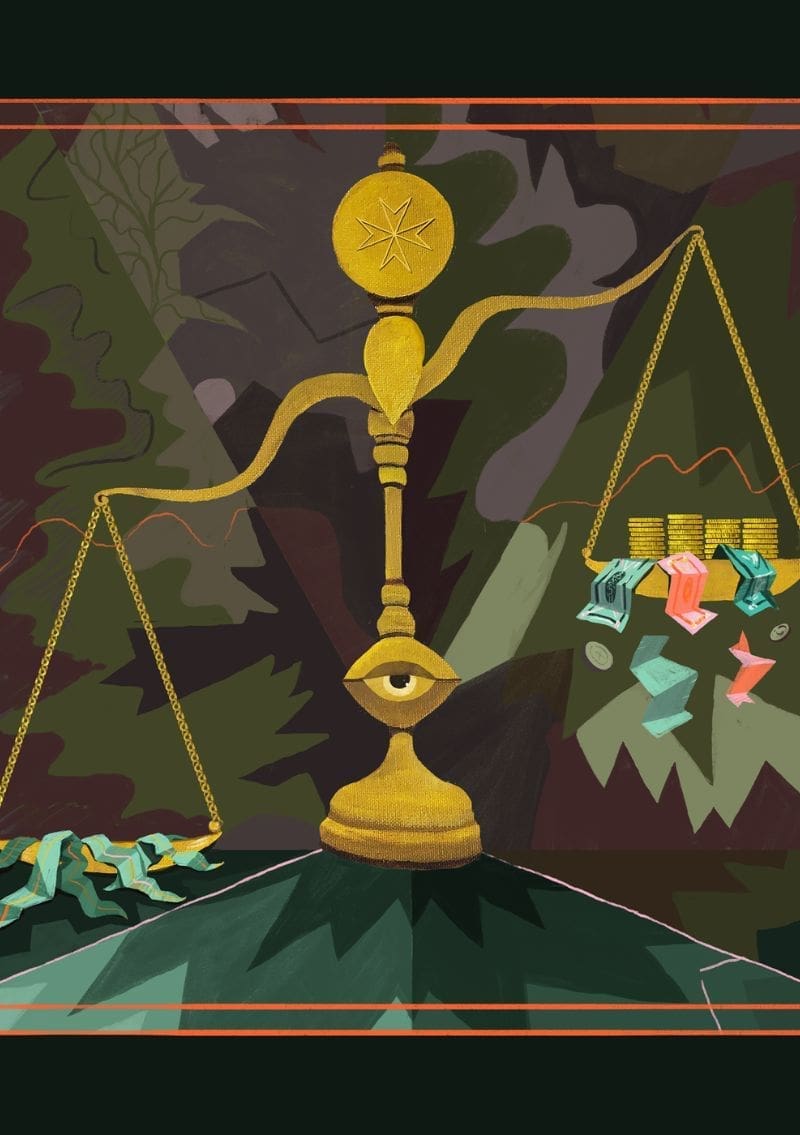
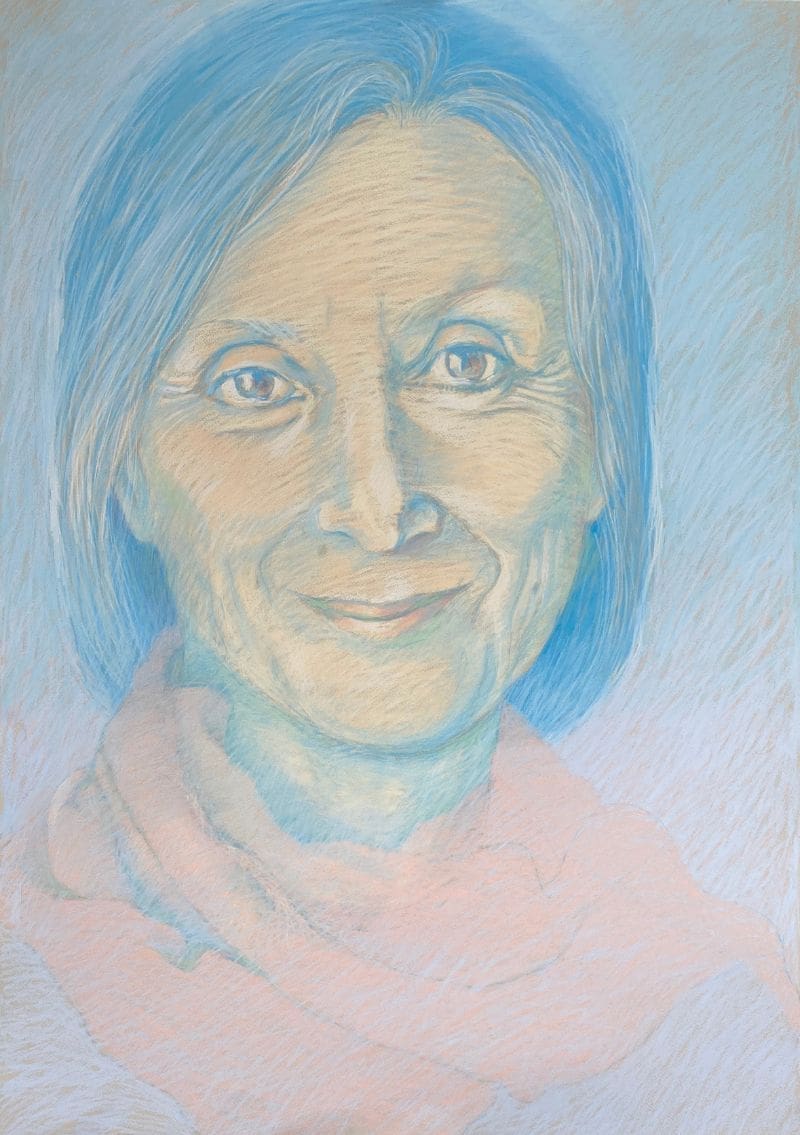
There were sessions on the threats, bigotry and misogyny that has been weaponised to undermine the reporting of female journalists, the story on how Daphne’s work was kept alive by journalists at Forbidden Stories with investigations uncovering leads to her killers, as well as readings from Caruana Galizia’s work and an exhibition of art inspired by her murder and the subsequent fight for justice.
There was also a panel on the growing momentum in the EU and the UK for introducing anti-SLAPP legislation. SLAPP, or Strategic Lawsuit against Public Participation, are intended to silence critics, often journalists, by burdening them with the crippling costs of a lawsuit and London is the “hotspot” for libel tourism. This event, one of the first since the UK Government announced proposals which would give courts in England and Wales new powers to dismiss such lawsuits, was led by the UK Anti-SLAPP coalition partners and preceded a major Anti-SLAPP conference in Strasbourg on 22 October.
The importance of the festival was to draw attention to a serious problem but in a constructive way, says Corinne Vella, Caruana Galizia’s sister and head of media relations at The Daphne Caruana Galizia Foundation,
Photos: Jennifer Forward-Hayter
While all journalists face threats and intimidation as a result of their work, gender-based violence against women journalists is endemic. These threats tend to silence women journalists’ voices and to deplete freedom of speech by interrupting valuable investigative journalist work.
The director of the festival, and artistic director of the newly renovated St John’s Church in Waterloo, London, was Euchar Gravina. He grew up in Malta and spent time with Caruana Galizia’s family and friends putting together the programme.
The Daphne Festival logo (Artist: Sebastian Tanti Burló)
Exhibition: Extended Commentary Tuesday, 4th October 2022 – Sunday, 16th October 2022 Old Crypt, St John’s Waterloo
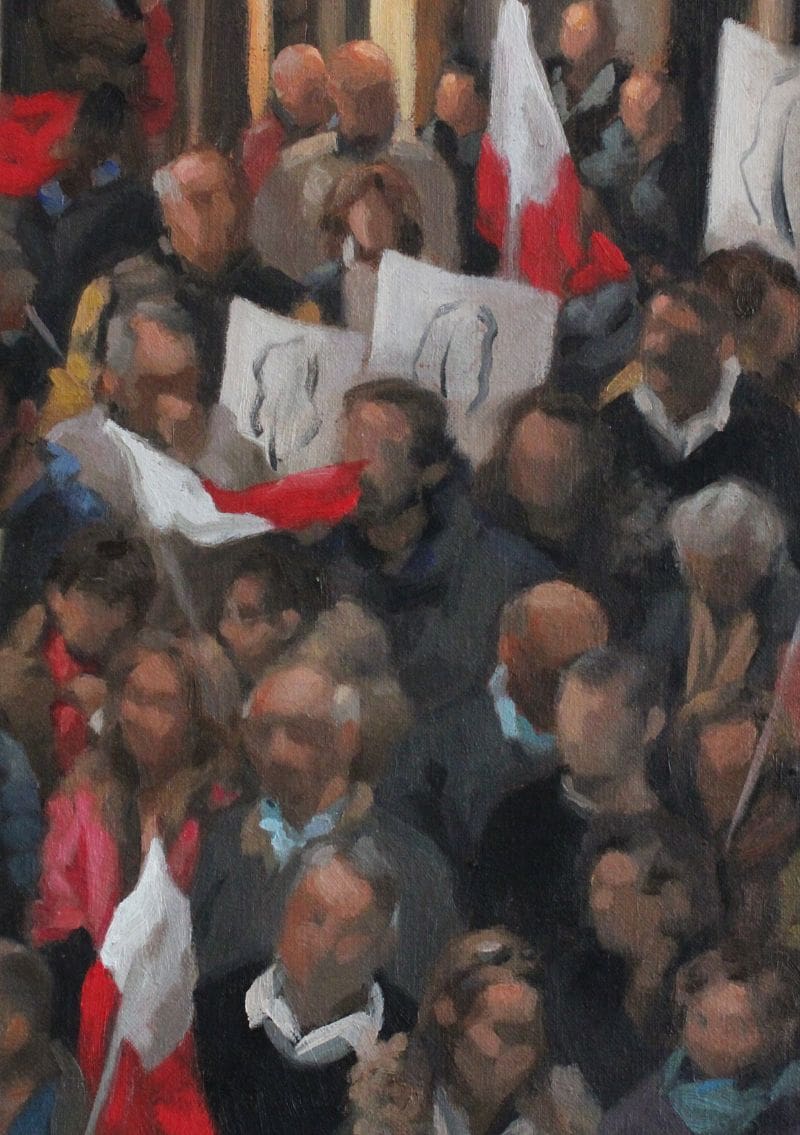
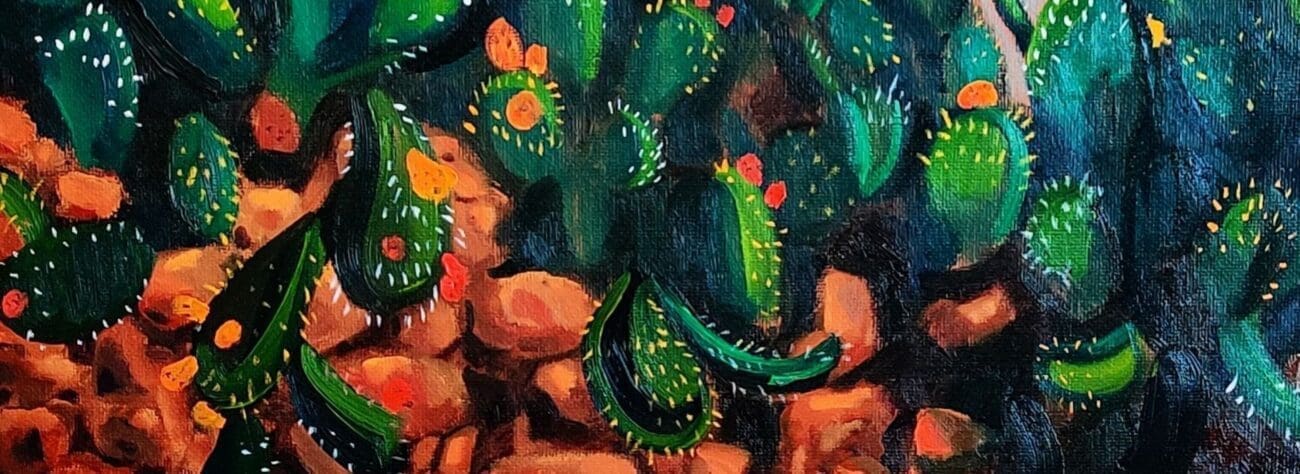
An exhibition was held in the Old Crypt at St John’s as part of The Daphne Festival featuring works by six Maltese and international artists, living and working in London and Europe. Each artist was selected and invited to contribute work in any medium or format in reaction to Daphne Caruana Galizia’s assassination and the last five years of campaigning for justice.
Sebastian Tanti Burlò, Lydia Cecil, Carmel Said, Nina Gerada, Gattaldo and Ed Dingli. Curated by Euchar Gravina and Ann Dingli, together with the artists.
What Women Journalists Face to Tell the Truth Monday, 3rd October 2022 St John’s Waterloo
Threats, misogynistic and racist abuse, online trolling, physical assault, imprisonment, rape and the ultimate sanction – murder. That is what many women journalists across the world endure from those who try to silence them in their fight to expose the truth. Last year, the UN catalogued “the “chilling tide of abuse” inflicted on female journalists in order to silence them.
This event, which kicked off The Daphne Festival, gathered together some of these extraordinary women to tell their stories, of how bigotry and misogyny has been weaponised to undermine their reporting and destroy their careers – and how they fought to get the facts to their audiences.
Partners: Women in Journalism, The Daphne Caruana Galizia Foundation, St John’s Waterloo
Daphne: The Future of Investigative Reporting Wednesday, 5th October 2022 Frontline Club
In the weeks and months following her murder, and in an unforeseen twist for her killers, Daphne Caruana Galizia’s unfinished stories and files were passed on to Forbidden Stories, an exceptional team of journalists from across the world representing newsrooms like the New York Times, the Guardian, Le Monde, La Repubblica and Sueddeutsche Zeitung. Within six months, they published their first reports with “a warning to the corrupt: if you kill a journalist, another will take their place.” This event not only reflected on the future of similar investigative projects but also told the story of how these journalists came together to continue her work and how, along the way, they started uncovering clues that led to her killers.
Partners: Frontline Club, St John’s Waterloo
The Power of Pen: The Creative Legacy of Daphne Caruana Galizia Sunday, 9th October 2022 St John’s Waterloo
Daphne Caruana Galizia was targeted because she refused to be silenced. This event featured readings and a celebration of her fearless work. It explored how poetry and literature can be used as tools to advocate for freedom of expression and ensure justice and accountability for Daphne and her family.
Partners: PEN International, The Daphne Caruana Galizia Foundation, English PEN, PEN Malta, Scottish PEN, Welsh PEN Cymru, St John’s Waterloo
Daphne: Inspiring an Anti-SLAPP movement across Europe Wednesday, 12th October 2022 St John’s Waterloo
When Daphne was assassinated in October 2017, she had 47 open libel cases against her, highlighting the pressure of legal threats against investigative journalists. In the five years since, movements to tackle SLAPPs (strategic lawsuits against public participation) have sprung up and gathered momentum across Europe, leading to the drafting of an EU Anti-SLAPP Directive and a commitment from the UK government to bring in legislative reform.
This event explored the rise of these anti-SLAPP movements – including CASE and UK Anti-SLAPP Coalition – the impact of SLAPPs on those subject to them as well as the potential cost to our societies if we do not defend against them.
Partners: Foreign Policy Centre, Index on Censorship, The Daphne Caruana Galizia Foundation, St John’s Waterloo
We use cookies to ensure that we give you the best experience on our website. If you continue to use this site we will assume that you are happy with it.Accept